


With so many different interior styles to choose from we know it can be challenging to find the one that suits you best. Here are the UK’s favourite genre’s.
Some of them are fads and others are timeless classics that stand the test of time. Each style is comprised of distinctive furniture, décor, lighting, and accessories that give it it’s signature look.
Modern
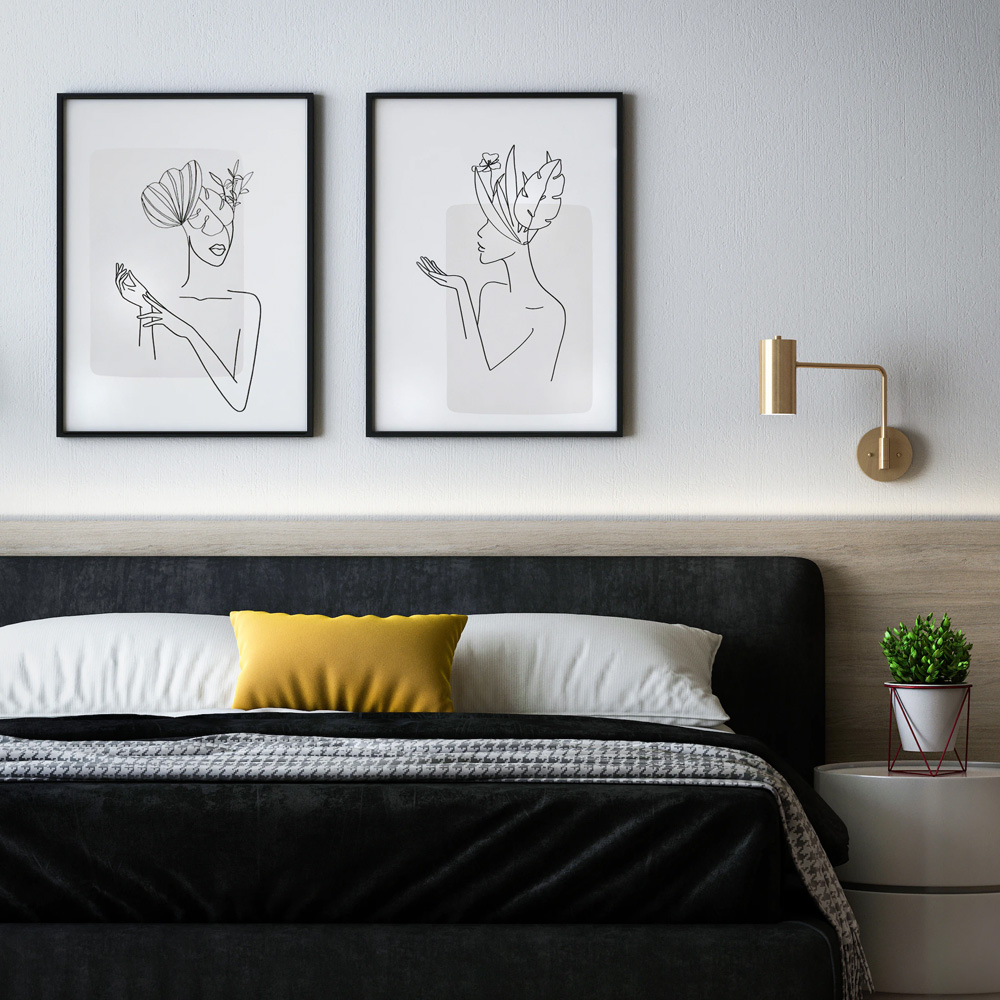
The modern style stems from the Modernism movement that came about in the 1920s. At Scottish Living we’re here to clear up the difference between modern and contemporary. In spite of their number of similarities, there are a few big signs that you’re looking at a modern interior. Modern design refers to a specific time period while contemporary design is ever-evolving. Due to the mix of Scandinavian, mid-century modern, and post-modern design, we have our current definition of modern.
Contemporary
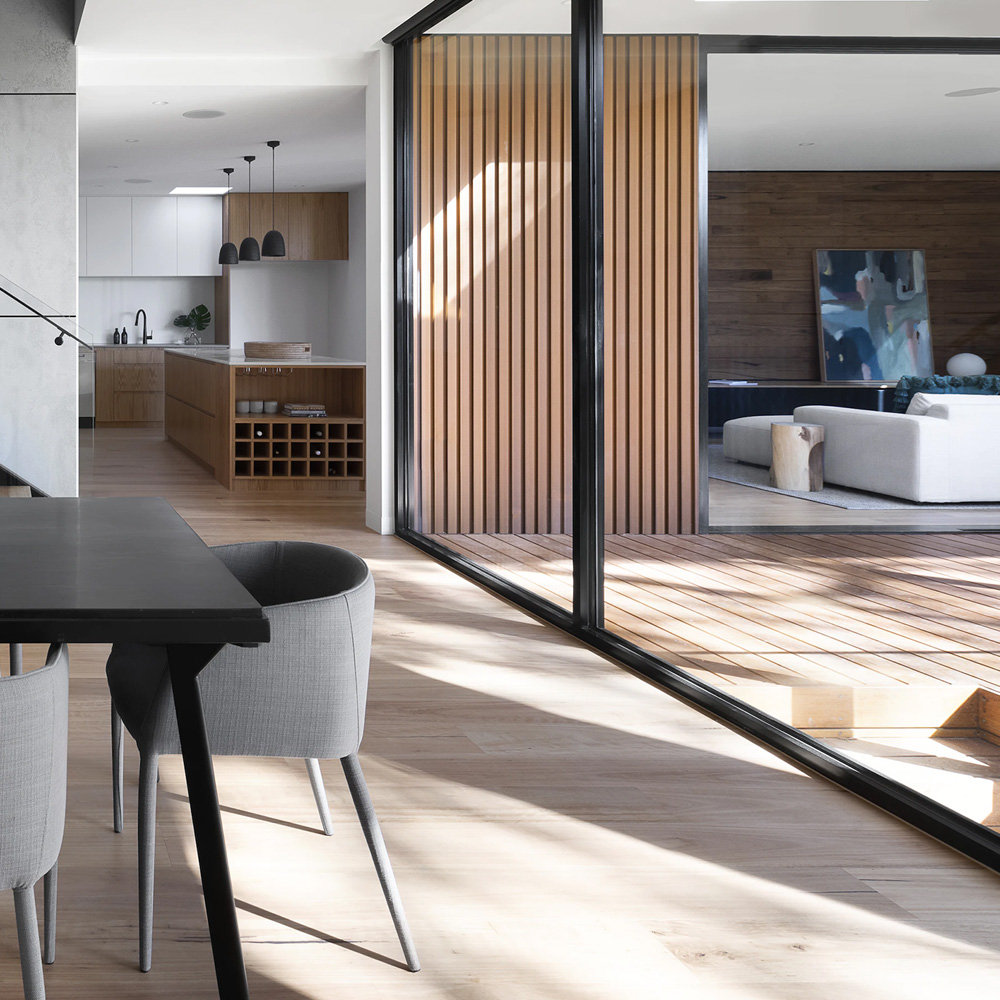
Contemporary interior design is a sleek and simple space. It uses different features like detailed moldings on walls and windows and open layouts to create an interesting and distinct space. Typical contemporary furniture shows exposed legs and clean lines to give a light and airy feel. It’s common to see materials like metal and glass used because of their light-reflecting properties. This look is the ultimate mix of house décor styles. In addition, neutral color palettes are the most common for contemporary design with textured fabrics and wall art to create interest.
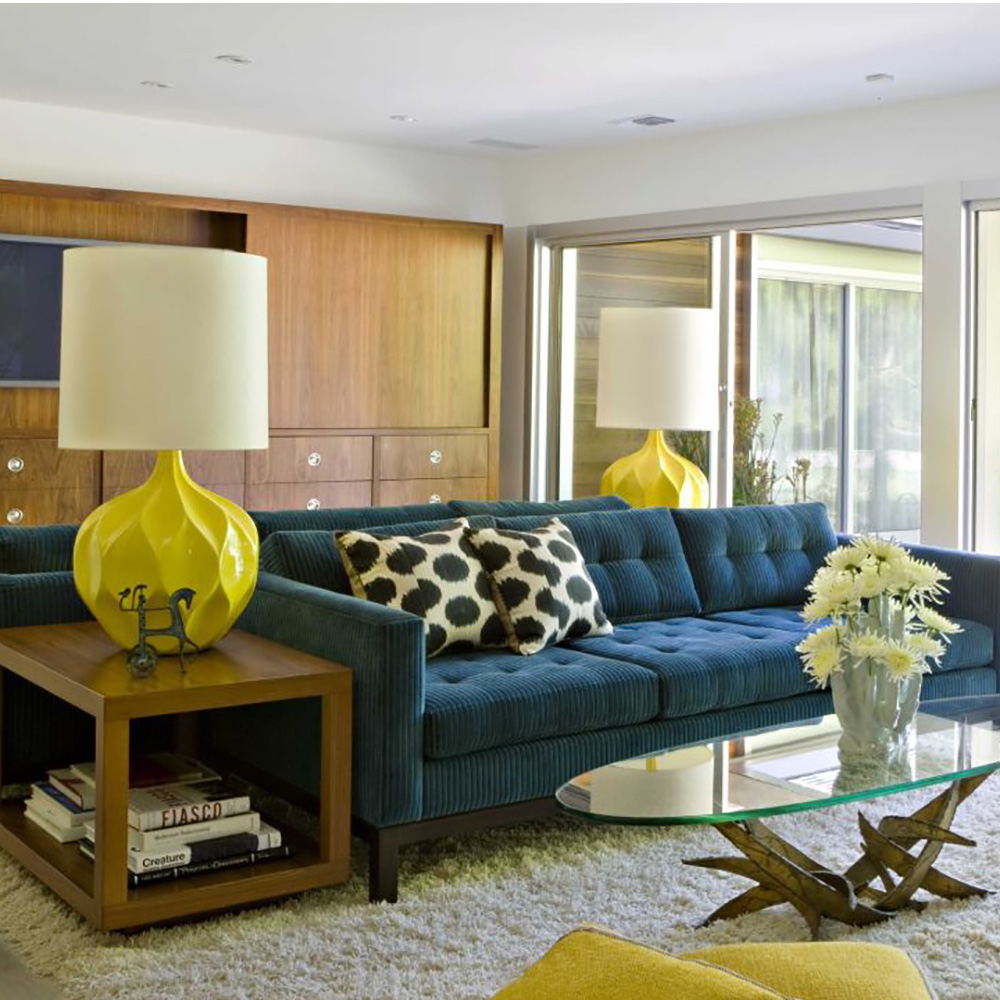
Mid Century Modern
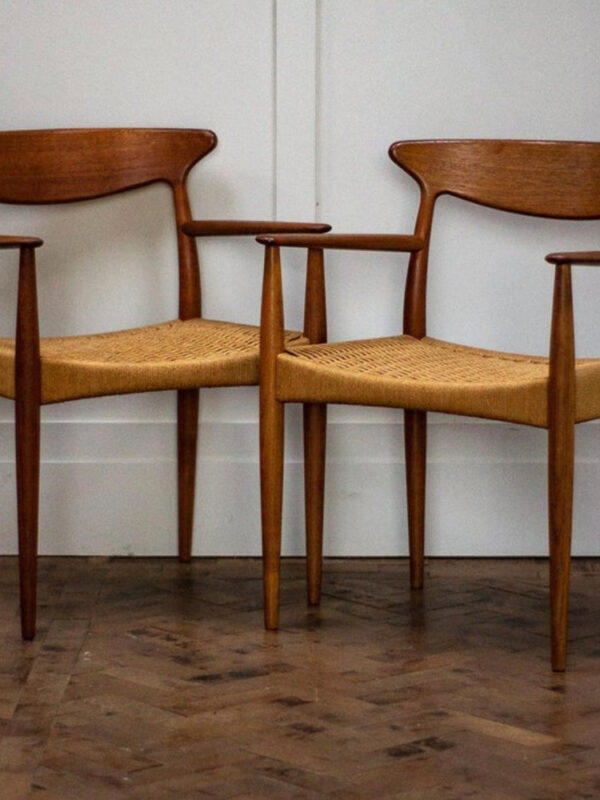
Next, we have a classic that seems to stay relevant no matter the decade. Mid-century interiors started in the 1950s and ’60s in post-war America. During this time the design industry was trying to break out of its traditional barriers and dive into the modern era. As a testament to this style’s timeless quality, there are still so many popular mid-century modern furniture pieces that are still used in our homes today.
Traditional
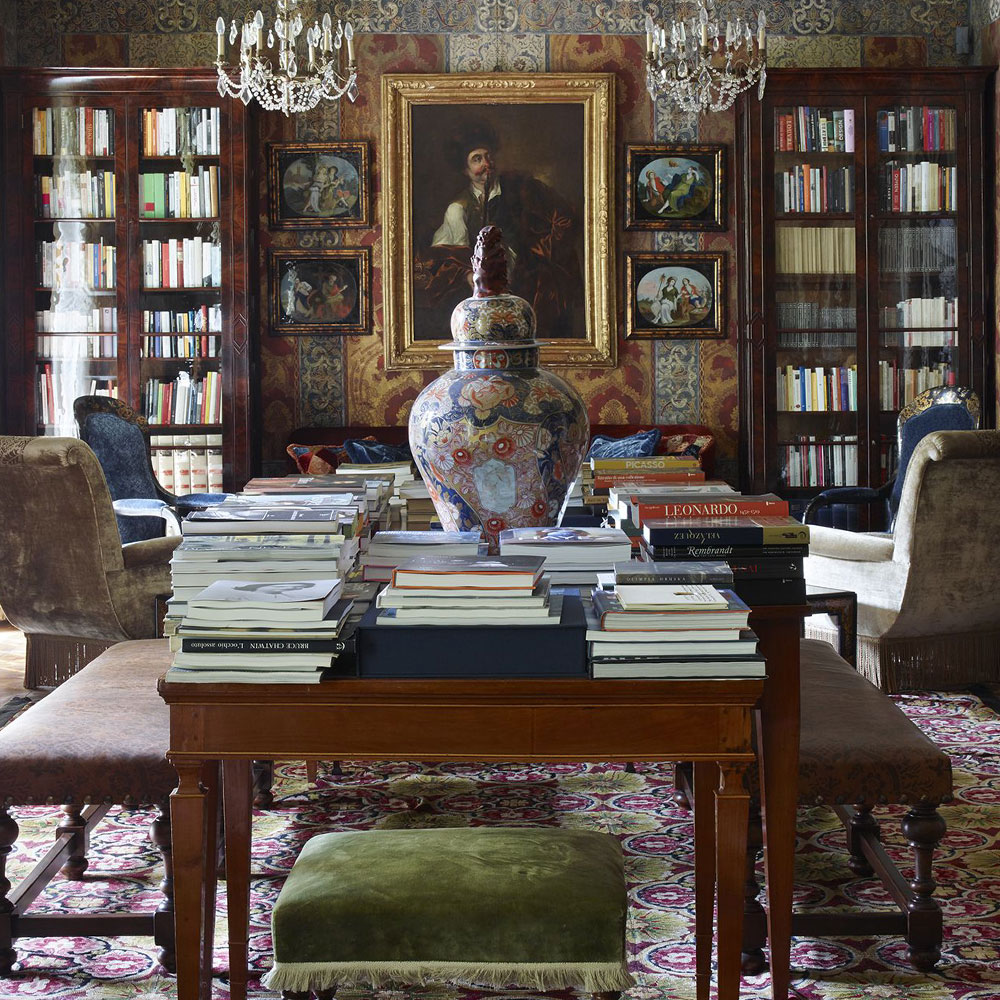
Traditional style interior design creates sophisticated spaces focusing on ornate details as well as historic-inspired furniture and decor. Layers of pattern and texture add to the charm of curated conventional rooms. This style is also heavily influenced by 18th and 19th-Century European homes. Eliciting a sense of history, these well-put-together interiors are formal, yet welcoming.
-
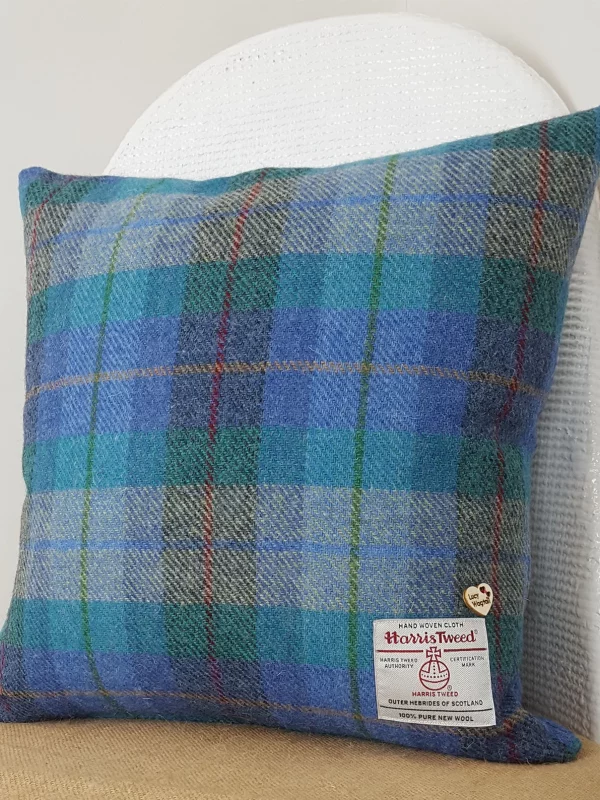 Lucy Wagtail Green, Turquoise & Purple Tartan Harris Tweed Cushion CoverPrice range: £1.00 through £80.00
 -
 Paul Bennet – The Light Beyond Us£2,400.00
 -
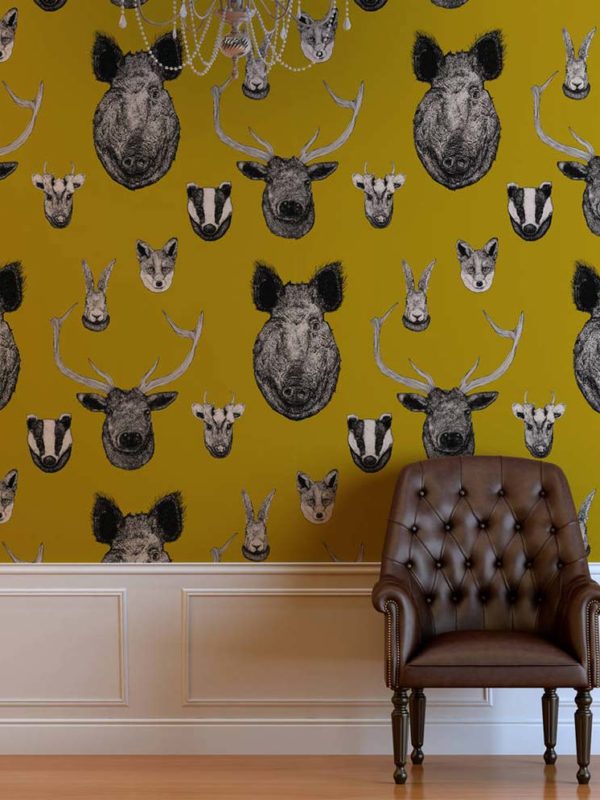 Graduate Collection Yellow
Industrial
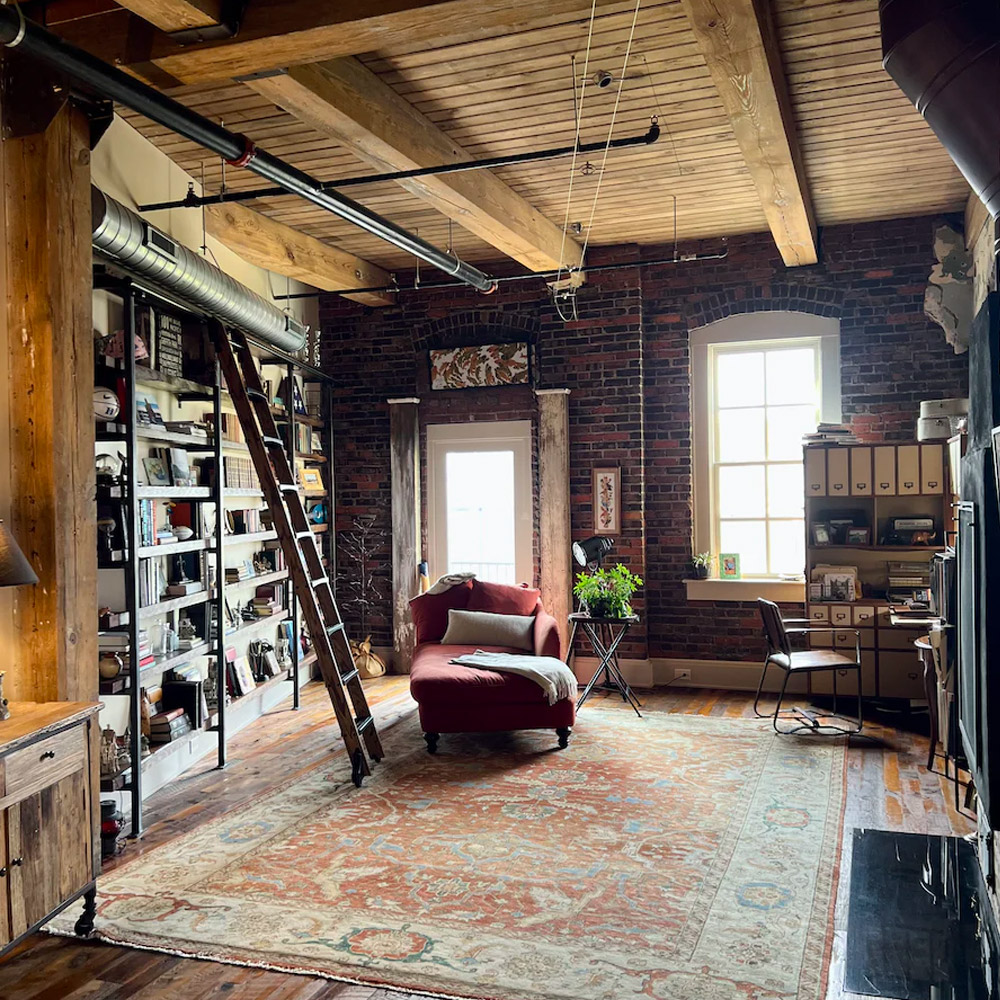
The industrial interior design style loves the art of exposed pipes and beams. Materials like brick and concrete are a great way to give the space a lot of character. You won’t hear the words “soft” or “intimate” used when describing this unique interior design style. Its masculine tendencies are tamed with the use of ample texture. Moreover, oversized artwork and cozy textiles are perfect additions. Furniture is often raw or unfinished and paired with antiques.
Rustic
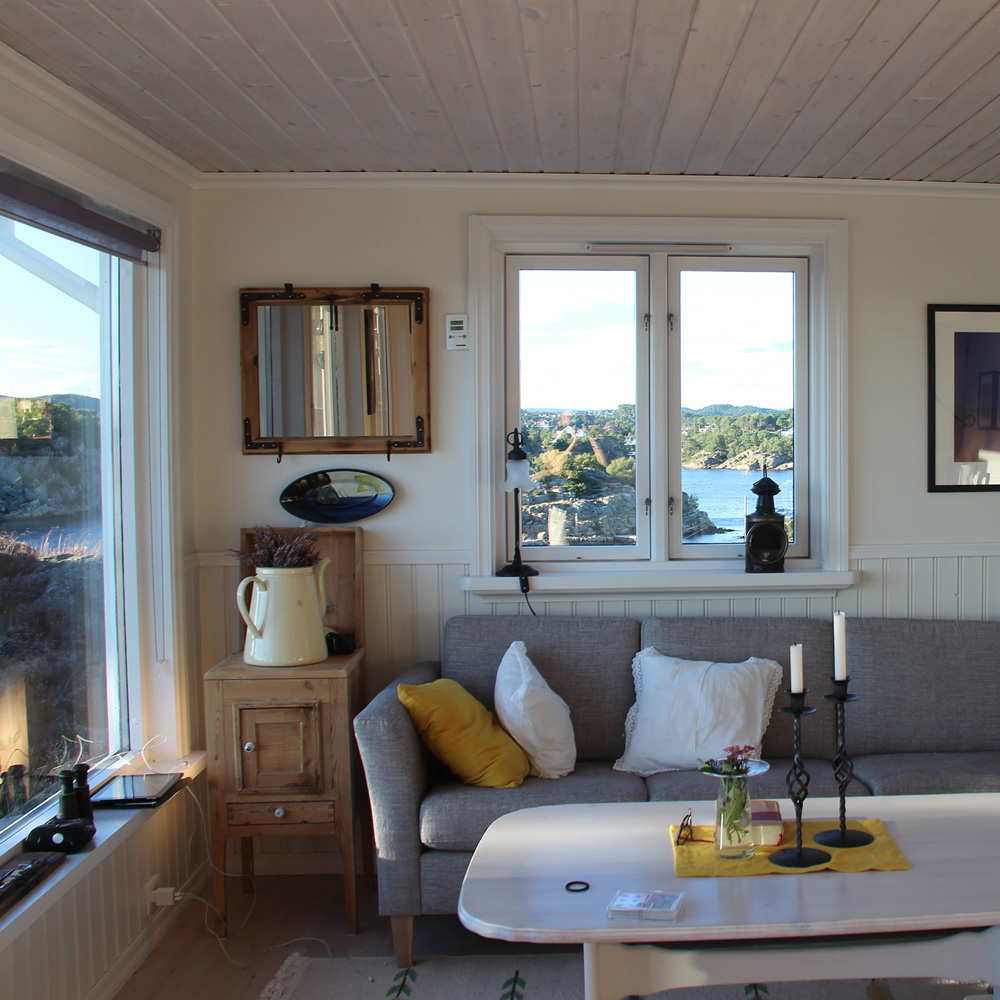
When looking at rustic interior design it can be defined with a few basic signs. There will always be natural materials, industrial touches, and farmhouse charm all around. The rustic design style was originally born from inspirations of the Romantic movement. The use of wood is softened by adding cowhides and sheepskin to create a cozy feeling. Fabrics don’t have loud patterns and texture is everything.
-
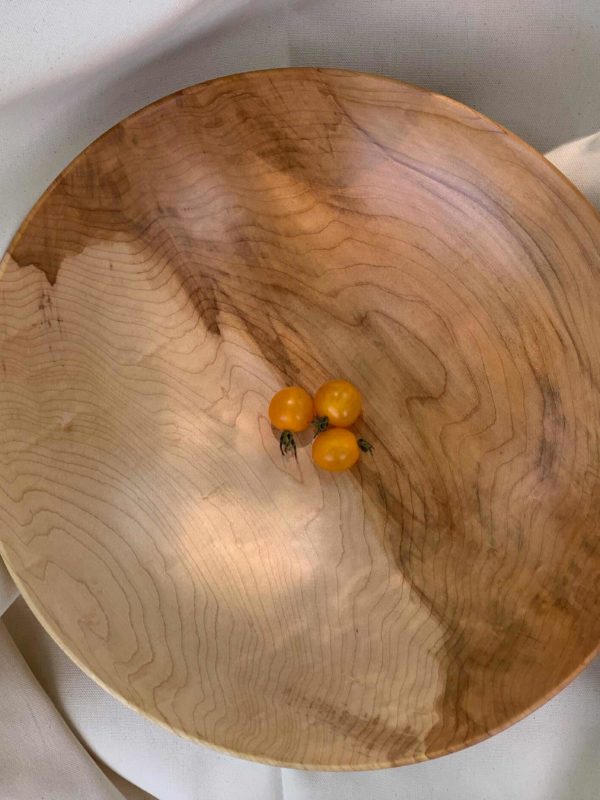 Flat Cedar Bowl by George Burgess£180.00
 -
 Dualling Swans£1,800.00
 -
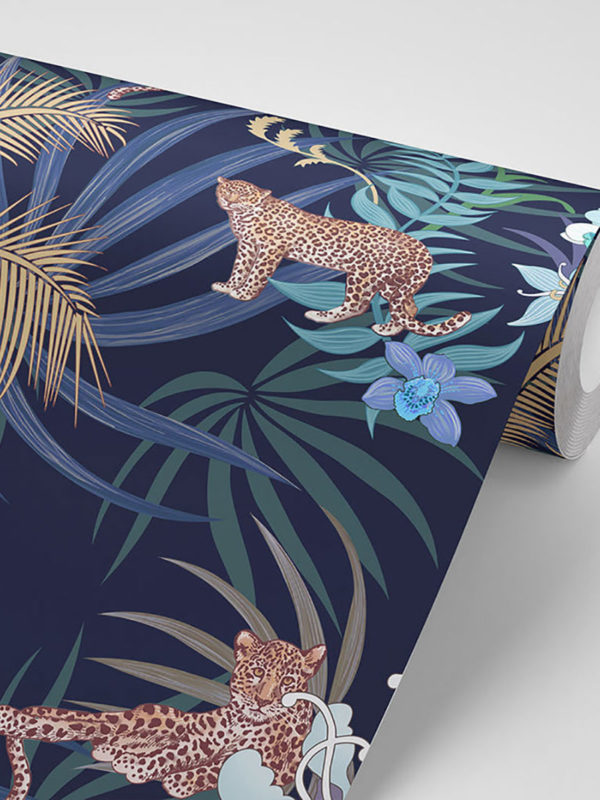 Graduate Collection Leopard Luxe Wallpaper Blue£140.00
Minimalist
Contemporary design and minimalist design have a lot of the same qualities. Both have uncomplicated forms, clean lines, and simple finishes. However, the minimalist decorating style is inspired by Japanese design and concentrates on the principle that less is more. In the end, minimalist design loves empty space.
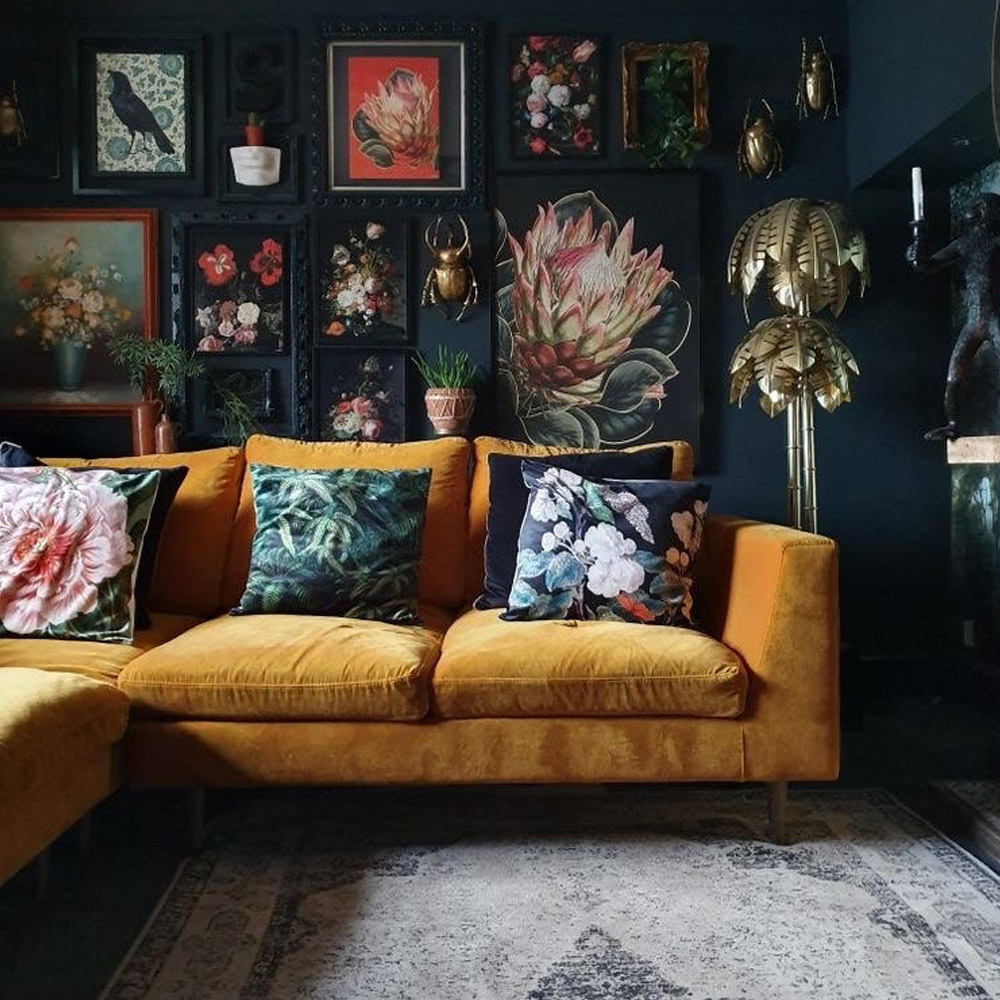
Maximalist
You can’t miss a maximalist interior. They bloom with layers of texture, print, colour, and meaningful objects. Scottish Living interprets this as a hyper-personal space raucous with pattern and personality, often appearing on the edge of chaos, which can make them borderline cheeky. Picture an eclectic country home stuffed with updated chintz, like patterned wallpaper and curtains (maximalists aren’t afraid of an animal print, particularly leopard spots, and explosions of florals from wall to wall) in harmony with a trove of art and objects. Wow. A total head spinner but amazing when done well.